Tag: https://m88link.id
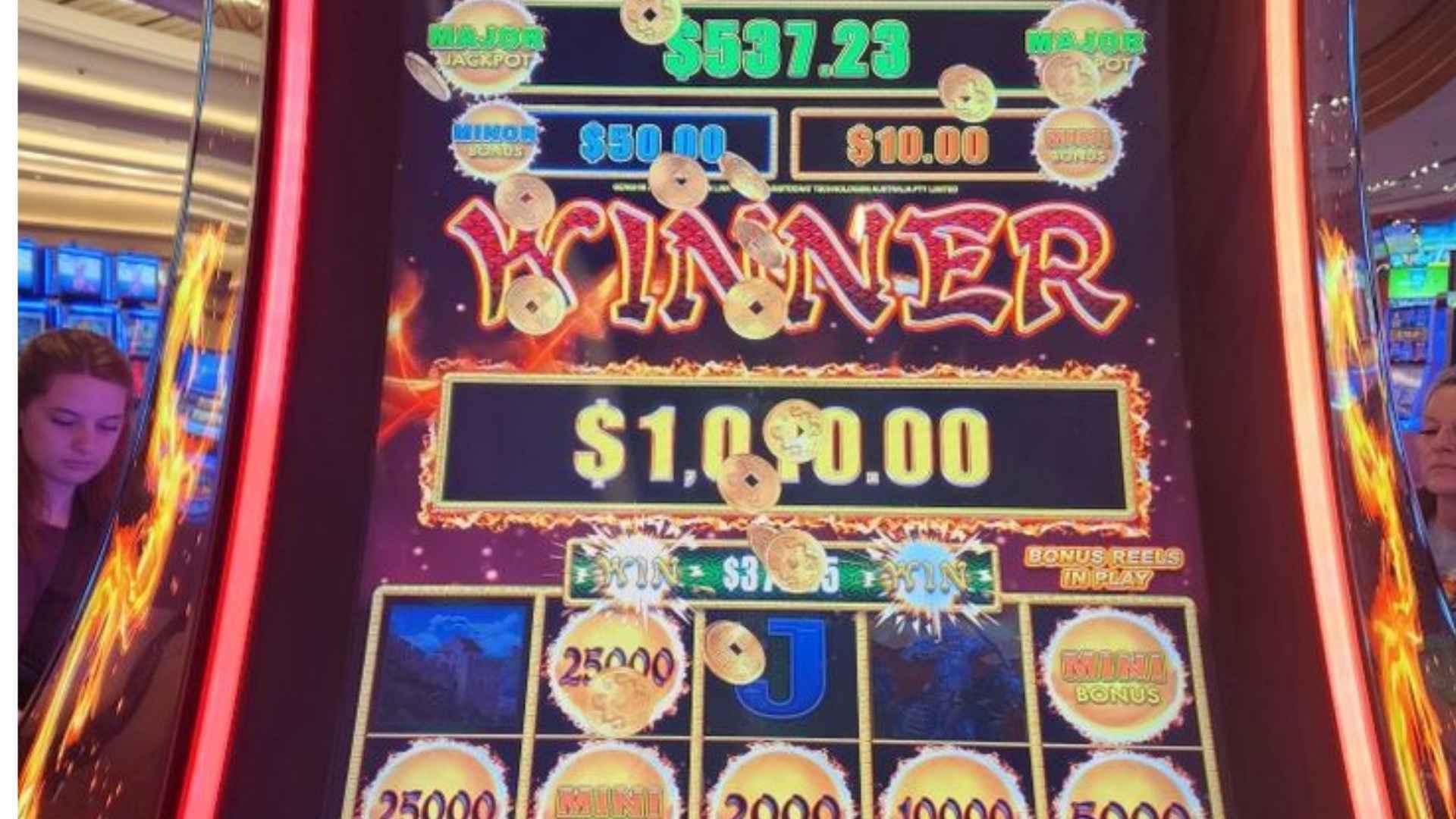
Best Local Casino Deals in Scottsdale Arizona Ways...
Scottsdale, Arizona, is renowned for its upscale resort culture, stunning desert landscapes, and vibrant gaming destinations. Visitors and locals alike often seek out the best local casino deals to maximize their leisure experience without overspending. Knowing how to evaluate gaming credits, hotel packages, and entertainment perks allows travelers to enjoy a premium vacation while maintaining a reasonable budget.
Understanding Scottsdale Casino Promotional Structures
Resort properties in the Scottsdale area offer a variety of incentives designed to attract both casual visitors and dedicated gaming enthusiasts. These packages frequently bundle room discounts with dining vouchers, spa credits, or complimentary play tokens. Understanding how these offers are constructed helps guests identify which promotions deliver genuine value.
Many properties operate tiered rewards programs that track guest spending across gaming floors, restaurants, and hotel amenities. By signing up for a loyalty card before booking, travelers can often unlock exclusive member rates and seasonal specials. Evaluating these programs ensures you leverage every available benefit during your stay.
Evaluating Lodging and Resort Package Perks
When comparing resort deals in the Phoenix-Scottsdale metro area, looking past the headline nightly rate is essential. A discounted room offer might lose its appeal if high resort fees or parking charges are added at checkout. Comparing total stay costs provides a clearer picture of overall value.
Some travelers prefer comprehensive hospitality suites over traditional gaming resorts, seeking comparable luxury standards found in international venues like m88 mansion. Analyzing what is included, such as complimentary breakfast or pool access, helps determine whether a package suits your personal itinerary. Reading room-level inclusion lists prevents unexpected out-of-pocket expenses.
Comparing Dining and Entertainment Inclusions
Entertainment options at Scottsdale gaming resorts range from concert performances to championship golf course access. Promotional deals often feature discounted tickets or priority seating for live events hosted on-site. Securing these bundles in advance guarantees access to popular shows while reducing total activity costs.
Dining credits are another common perk included in regional resort packages. These vouchers can significantly offset the cost of fine dining or casual poolside meals during a weekend getaway. Checking blackout dates and restaurant restrictions ensures dining credits can be used conveniently.
Timing Your Visit for Maximum Savings
Seasonal fluctuations heavily influence resort pricing across Arizona's Sonoran Desert region. Visiting during shoulder seasons or mid-week days often yields the steepest discounts on premium rooms and amenity packages. Mid-week stays also offer a more relaxed atmosphere on the gaming floor and at resort facilities.
Subscribing to resort newsletters and tracking digital promotional calendars is an effective strategy for spotting limited-time deals. Properties frequently launch flash sales during off-peak periods to maintain occupancy levels. Planning trips around these promotional windows ensures high-end resort experiences at competitive price points.

Randomness As A Tool For Better Game Design
Modern game development relies heavily on creating dynamic environments that keep players engaged without feeling repetitive. Randomness serves as a fundamental mechanic in achieving this balance, allowing designers to introduce variety and unpredictability into gameplay systems. When used intentionally, chance transforms static challenges into evolving puzzles that require adaptiveness and strategic thinking.
Input Randomness Versus Output Randomness
Understanding how chance operates in game design requires distinguishing between input and output randomness. Input randomness provides unpredictable parameters before the player makes a decision, such as procedural map generation or random card draws. This forces players to analyze unique situations and devise fresh strategies for each scenario.
Output randomness occurs after a decision is made, such as a die roll determining whether an attack hits its target. While output randomness creates tension, excessive reliance on it can lead to frustration if players feel their skill is rendered irrelevant. Successful titles carefully calibrate these two forms to ensure choices feel meaningful.
Preventing Repetitive Gameplay Loops
Without elements of chance, games often devolve into rigid execution tests where players simply memorize optimal solutions. Introducing procedural generation or randomized enemy placements disrupts these predictable patterns. This forces players to master underlying mechanics rather than relying on rote memorization.
Many modern gaming platforms, such as m88 mansion, highlight how randomized elements sustain long-term engagement across diverse interactive formats. By varying outcomes and rewards, developers maintain a sense of novelty that keeps players returning. This continuous variation ensures that even well-worn levels offer fresh tactical challenges.
Encouraging Player Adaptability and Risk Management
Random mechanics push players out of their comfort zones by periodically disrupting standard strategies. When unexpected events occur, players must quickly assess risk and pivot their tactics to mitigate losses or capture sudden opportunities. This shift from static planning to dynamic problem-solving produces highly rewarding moments of skill demonstration.
Furthermore, managing risk fosters deeper emotional investment during high-stakes decisions. Balancing high-risk choices against safer alternatives allows players to express their individual playstyles. Ultimately, well-designed uncertainty rewards adaptability, ensuring that smart resource management remains crucial to victory.
Striking the Right Balance in System Architecture
Implementing randomness effectively requires designers to guard against arbitrary difficulty spikes that undermine fairness. Safeguards like pseudo-random distribution or bad luck protection help ensure that probability stays within satisfying boundaries. These invisible adjustments prevent prolonged streaks of poor fortune that could alienate users.
When developers respect player agency while introducing unpredictable factors, randomness elevates the overall experience. It turns fixed game mechanics into flexible frameworks capable of generating unique, memorable stories. Thoughtful integration of chance remains one of the most powerful tools in contemporary game design.