Tag: Bonus Events

Exploring the Rich History of Bridge Games
The captivating card game of contract bridge stands out globally as a premier mind sport with a deep and fascinating historical legacy. Unlike casual pastimes that rely heavily on the luck of the draw, this classic partnership game evolved over centuries through rigorous intellectual development and cultural shifts. Exploring its origins reveals how a simple parlor activity transformed into a sophisticated international competition.
The Ancestry of Whist
The foundations of modern bridge trace back directly to sixteenth-century England, where a traditional trick-taking game known as whist gained immense popularity. Whist emphasized basic card play mechanics, partnership coordination, and logical tracking of played cards without the inclusion of an initial bidding auction. By the middle of the seventeenth century, it had become a genuine social phenomenon enjoyed by both the British aristocracy and common citizens alike.
As playing cards grew more widely available across Europe, regional variations of whist began incorporating new elements to increase the strategic depth of each hand. Players sought ways to introduce more dynamic choices, leading to experiments with shifting trump suits and exposed dummy hands. These early innovations laid the crucial groundwork for the eventual transition into more complex card playing frameworks.
The Birth of Bridge Whist and Biritch
During the late nineteenth century, a major evolutionary leap occurred with the introduction of a game called biritch, frequently referred to as Russian Whist. This variation introduced the groundbreaking concept of the dealer choosing the trump suit or passing the choice to their partner sitting across the table. Furthermore, it formalized the layout where the partner's hand was laid face up on the table as a dummy for all to see.
This new format quickly migrated to the elite clubs of London and New York, where it was enthusiastically embraced under the name bridge whist. The addition of the dummy hand transformed the psychology of the game, allowing for much deeper calculation and defensive foresight. Enthusiasts frequently sought out engaging environments like the M88 sports platform to enjoy competitive activities that mirrored this high level of logical reasoning.
Vanderbilt and the Modern Scoring Revolution
The definitive version of contract bridge that millions play today was largely shaped by the American billionaire and passionate card enthusiast Harold S. Vanderbilt in 1925. While traveling on a cruise ship, Vanderbilt devised a revolutionary scoring system that rewarded players for accurately predicting the number of tricks they could take during the initial bidding phase. Under these new rules, tricks won beyond the contracted amount did not count toward game-winning bonuses, raising the stakes of the auction.
This crucial alteration forced partnerships to develop highly disciplined communication systems to exchange detailed information about their exact card distributions. Vulnerability penalties were also introduced to prevent reckless sacrifices, adding a thrilling layer of risk management to every deal. Vanderbilt's innovative framework spread rapidly, effectively replacing older variants and establishing contract bridge as the definitive competitive standard.
The Global Growth of a Mind Sport
Throughout the mid-twentieth century, contract bridge experienced a massive golden age, fueled by high-profile newspaper columns, mass-market books, and celebrity matches organized by figures like Ely Culbertson. The game transcended simple living room entertainment to become a recognized international mind sport with formal governing organizations. Today, global tournaments bring together elite players from every continent to test their analytical endurance under strict competitive conditions.
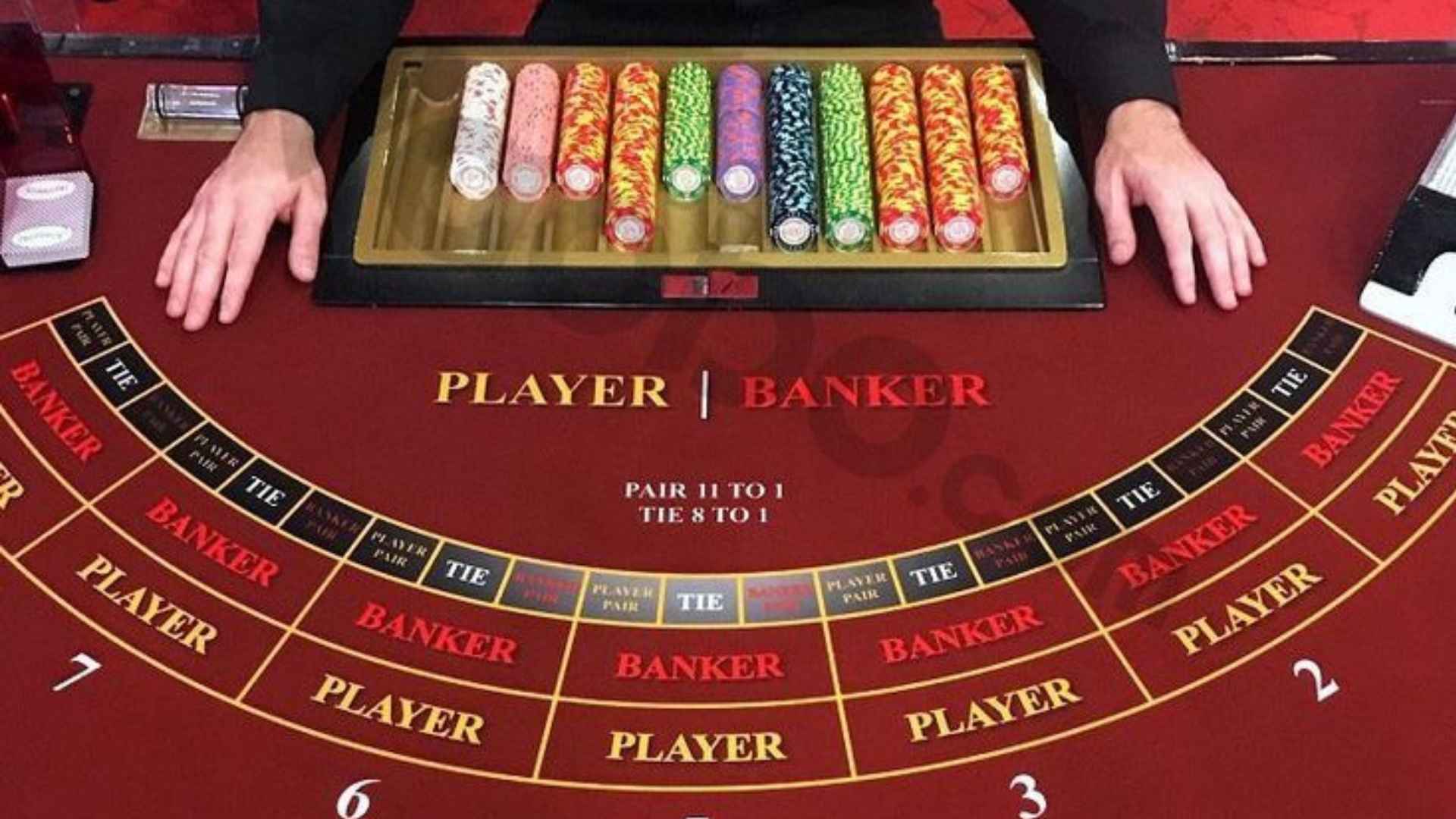
Top Strategies for Winning Probability Games
Games based on probability have captivated players for generations, balancing the thrill of chance with the need for calculation. Whether you are dealing cards, rolling dice, or engaging with digital simulations, success relies heavily on your approach to managing risk. By understanding mathematical principles and controlling your choices, you can dramatically improve your long-term outcomes.
Understanding the Laws of Large Numbers
Every random event is entirely independent, meaning past results do not influence future outcomes. However, observing patterns over thousands of rounds reveals a steady statistical consistency that you can use to your advantage. Experienced individuals rely on these grand averages rather than chasing short-term trends that lead to costly mistakes.
To build a sustainable approach, players must learn to calculate standard metrics like expected value and house edge. This mathematical foundation helps you identify which decisions offer the highest theoretical returns over time. Recognizing these structural parameters allows you to navigate complex scenarios with much greater clarity.
Mastering Bankroll Management and Risk Control
The most crucial tactic for surviving volatile sessions is establishing strict boundaries for your resources. Allocating a specific budget and dividing it into smaller units ensures you can withstand inevitable streaks of poor luck. Without a disciplined plan, even the most mathematically sound strategy will eventually fail due to sudden fluctuations.
Different platforms offer varied structural formats for testing your strategic limitations. Enthusiasts often look for specialized platforms like M88 sports to analyze statistical models and implement structured budgeting techniques. Developing these self-regulation habits prevents emotional reactions from dictating your movements during critical moments.
Evaluating Independent and Dependent Events
Strategies must shift depending on whether the game features variables that change after each round. In activities like a coin toss, the odds remain identical no matter how many times you repeat the action. Recognizing this fact helps you avoid the common misconception that a specific outcome is overdue.
Conversely, card-based challenges involve dependent events where the removal of items changes the remaining probabilities. Tracking these shifting dynamics allows you to adjust your approach dynamically as information becomes available. Mastering this distinction separates casual participants from analytical thinkers who capitalize on statistical advantages.
Developing Long-Term Analytical Thinking
Improving your results requires patience and the willingness to document your performance over extensive periods. Reviewing historical decisions helps isolate tactical errors from instances of pure misfortune. This deliberate practice turns unpredictable pastimes into valuable exercises in risk assessment and decision-making.
Ultimately, a successful mindset accepts uncertainty while focusing entirely on making mathematically optimal moves. By treating every round as a singular data point in a much larger sequence, you minimize stress and maximize efficiency. Consistent application of these core principles remains the definitive method for mastering games of chance.