The Evolution of Random Reward Mechanics
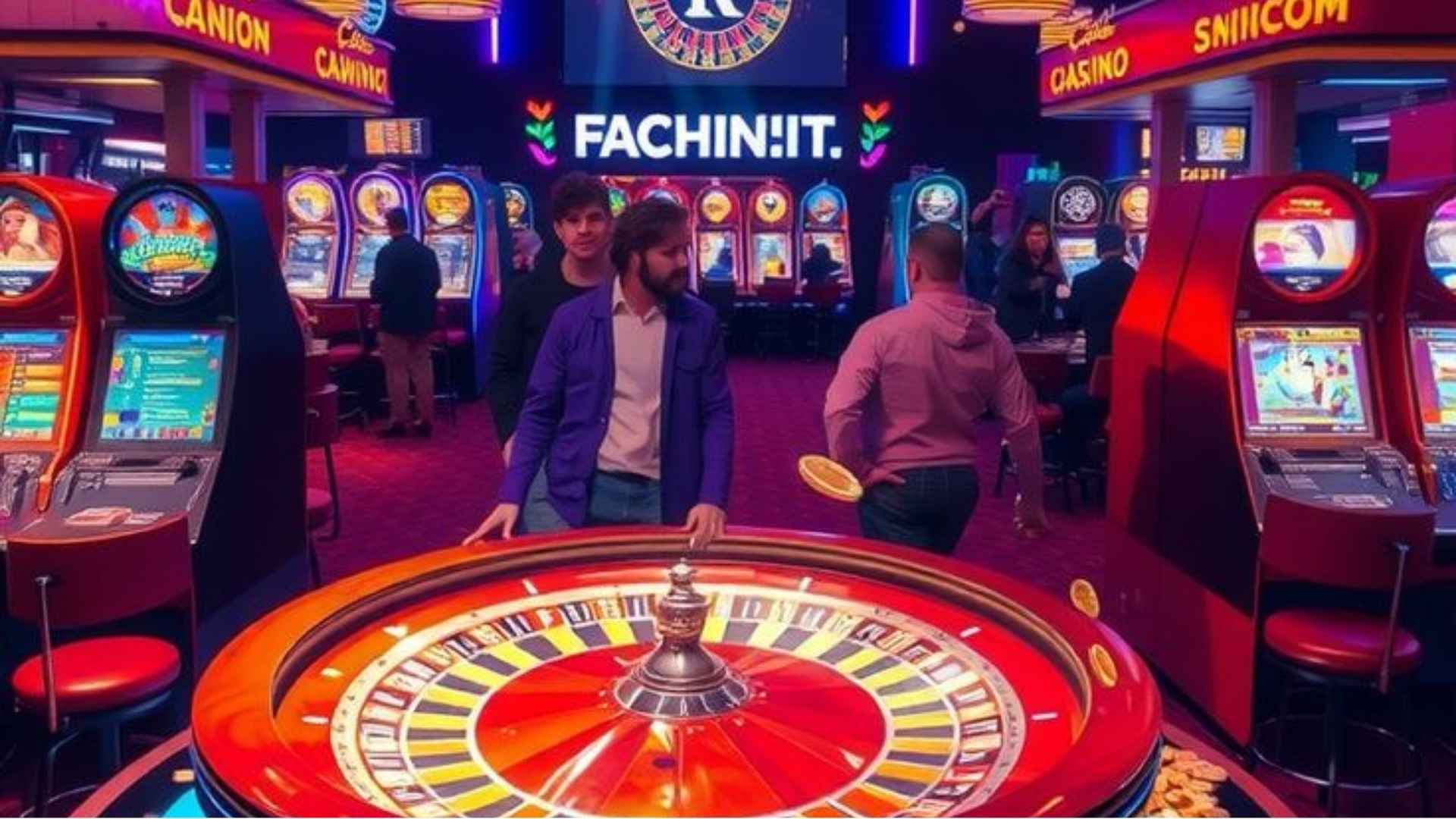
The landscape of game design has shifted dramatically over the decades, turning simple entertainment into deeply engaging digital ecosystems. At the heart of this transformation is the way interactive experiences handle player rewards, shifting from predictable milestones to intricate, chance-based systems. Understanding this historical progression helps illustrate how modern developers sustain player interest over long periods.
The Early Days of Fixed Reinforcement
In the foundational years of gaming, early arcade and console titles relied heavily on static feedback loop designs. Players received points, extra lives, or level completions at predefined thresholds that never fluctuated. This predictable structure provided a clear sense of progression but lacked the long-term psychological pull found in contemporary entertainment.As technology advanced, developers realized that introducing variable elements could drastically heighten engagement levels. Knowing exactly when a reward would drop eventually lowered the core sense of surprise and discovery. Consequently, the industry began experimenting with algorithms that could distribute payouts unpredictably.
The Emergence of Random Number Generation
The introduction of Random Number Generation (RNG) marked a pivotal milestone in the evolution of interactive design structures. Role-playing games utilized these mathematical formulas to determine critical hits, rare item drops, and unexpected enemy encounters. This unpredictability transformed repetitive tasks into thrilling experiences driven by the anticipation of a rare outcome.
Over time, these systems became highly sophisticated, shifting from basic probability percentages to dynamic tables that adapted to player behavior. Fans seeking similar thrill-seeking environments can check out online entertainment options at M88 sports to experience unpredictable outcomes firsthand. Modern systems ensure that variety remains a cornerstone of the broader interactive loop.
The Modern Era of Live Service Optimization
Today, live-service platforms and contemporary multiplayer titles have mastered the implementation of variable schedules. Seasonal events, tiered loot distributions, and personalized milestone bonuses are carefully calibrated to prevent player burnout. This algorithmic approach ensures that rare discoveries feel impactful while remaining accessible to a broad user base.
Ultimately, the continuous evolution of these systems highlights a delicate balance between player skill and pure luck. As virtual economies continue to expand, finding ethical ways to deliver surprising incentives will remain a primary focus for designers globally. The future of interactive design depends on keeping experiences fresh, engaging, and fundamentally rewarding.