Recent Post

How Random Lucky Draw Systems Really Work ...
Lucky draw events have fascinated audiences for generations, offering an exciting element of chance to participants worldwide. Modern promotional campaigns rely heavily on digital systems to distribute rewards fairly among large pools of entries. Understanding the mechanisms behind these digital drawings reveals a structured blend of software development and mathematical theory.
The Core Mechanism of Digital Randomness
At the heart of every modern digital drawing is a complex algorithmic tool known as a Random Number Generator. Computers operate on deterministic code, meaning they typically require a specific mathematical sequence to simulate unpredictability. Most promotional systems use Pseudorandom Number Generators to generate highly complex distributions that mirror real-life chance.
These specialized algorithms begin their calculations using a unique reference variable called a seed number. The system frequently draws this seed from dynamic real-time sources, such as the computer system's precise internal clock down to the millisecond. This continuous computational variance ensures that the final winning output cannot be predicted by external observers or participants.
Ensuring Fairness and Transparency in Selection
Reputable organizers incorporate strict verification protocols to maintain the overall integrity of their prize distributions. Independent auditing firms regularly evaluate the underlying source code to ensure the selection process contains no hidden mathematical bias. This systematic verification process protects the interests of participants and builds long-term institutional trust.
Furthermore, digital lucky draw platforms securely log every internal operation to provide a verifiable digital audit trail. These comprehensive data records allow regulatory supervisors to verify that every eligible participant stood an equal statistical chance of winning. Maintaining this level of algorithmic transparency is essential for compliance with regional consumer protection laws.
How System Selections Relate to Sports Predictability
Many online platforms integrate digital randomizers with traditional entertainment features to enhance overall user engagement. Enthusiasts who closely follow dynamic industries often analyze performance statistics across various competitive platforms, including the popular M88 sports ecosystem. While sports outcomes depend on real-world human performance, promotional draws rely strictly on localized mathematical certainty.
The statistical predictability models used in sports analysis share similar algorithmic roots with lottery systems. Both fields utilize mathematical data sets to determine the exact mathematical probability of specific events occurring over time. However, a digital drawing remains entirely isolated from external influences, ensuring a completely unbiased outcome for every entry.
The Security Infrastructure Behind the Scenes
Robust security measures are necessary to shield digital drawing databases from unauthorized external manipulations. Advanced encryption protocols protect user identity information and entry numbers from the exact moment of registration. These layered defense mechanisms guarantee that malicious actors cannot alter the outcome of the draw.
Additionally, modern servers utilize isolated environments to run the selection software away from main network traffic. This localized deployment prevents external interference during the critical moments when the winning entries are generated. By securing the technological framework, developers ensure that true random selection remains the definitive factor in determining winners.

Classic Keno vs Modern Keno Games ...
Keno has a long and storied history that traces back to ancient China before finding a permanent home in modern casino halls. Over the decades, the game has split into two major formats that appeal to different types of players. Understanding the core differences between traditional draws and digital versions can help you choose the ideal gaming experience.
The Traditional Appeal of Classic Keno
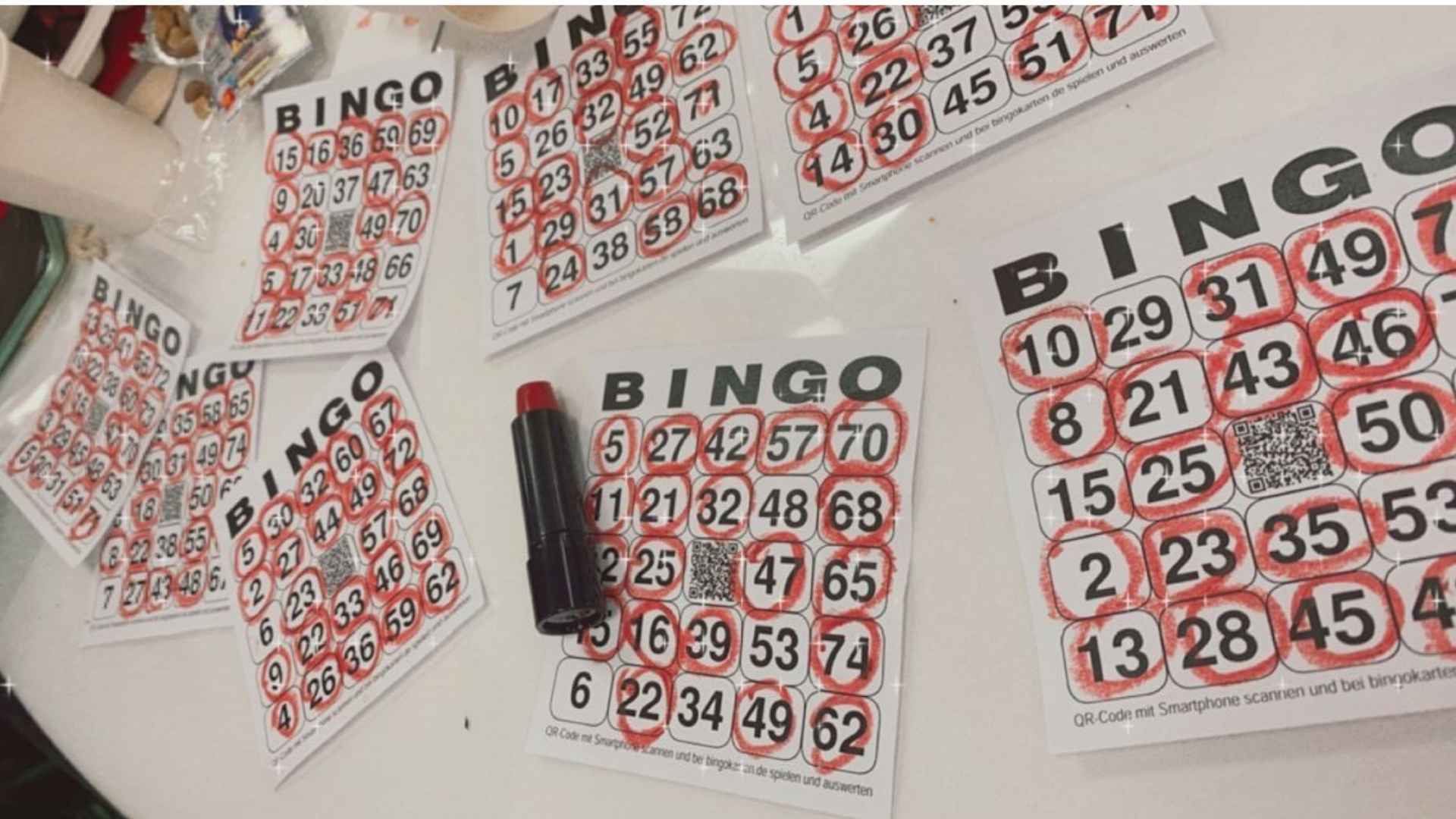
Classic Keno is traditionally played in dedicated casino lounges where players mark paper tickets with a physical crayon. The numbers are drawn using physical balls tumbling inside a large plastic sphere or wire cage. This format delivers a relaxed pace of play that allows for social interaction among participants.
Because drawings happen at scheduled intervals, players can enjoy a leisurely afternoon without feeling rushed. This slow cadence offers a perfect contrast to the high-speed nature of modern gaming platforms. Many traditionalists prefer this tactile method because it preserves the historic atmosphere of standard lotteries.
The Speed and Innovation of Modern Keno
Modern variants have completely re-engineered the classic framework by moving the action onto digital screens. Video keno machines and online applications utilize random number generators to produce instantaneous outcomes. This means players no longer have to wait several minutes between individual game rounds.
Beyond rapid gameplay, digital platforms introduce unique bonus features like multipliers, extra balls, and progressive jackpots. These additions create multiple layers of excitement that are absent from traditional paper tickets. Enthusiasts can easily explore these dynamic options while checking updates on M88 sports events from their mobile devices.
Pacing and Strategy Adjustments
The starkest difference between these two eras of gaming lies directly in how they impact bankroll management. Classic keno naturally limits your spending because the gap between rounds inherently restricts the total number of bets placed per hour. In contrast, the rapid fire nature of electronic versions demands much stricter personal budgeting discipline.
While the underlying mathematical probability of hitting specific numbers remains largely identical across formats, the strategic approach shifts. Online players often look for games offering specialized paytables or side bets to maximize their theoretical returns. Conversely, lounge players generally focus on the longevity of their session and the overall entertainment value.
Choosing Your Perfect Number Game
Deciding between the historic lounge atmosphere and sleek digital screens depends entirely on your personal style. If you value a social environment where you can unwind, the classic version remains unmatched. However, players looking for immediate action and robust graphics will find modern configurations highly rewarding.
Both variations continue to thrive side by side in the contemporary gaming ecosystem. Their sustained popularity proves that the basic concept of matching random numbers holds a timeless charm. Whichever version you choose, establishing clear boundaries ensures a fun and responsible experience.

Essential Skills Every Rummy Tournament Player Needs ...
Stepping into the competitive arena of rummy tournaments requires far more than a basic understanding of the game's rules. Unlike casual matches played around the dinner table, professional events demand a specialized skill set that blends mathematical probability, psychological resilience, and rapid critical thinking. Developing these core competencies is essential for any player who wishes to consistently outlast the competition and claim top honors on the leaderboard.
Mastering Strategic Card Management
One of the most vital capabilities a tournament player can develop is structured hand organization and card management. Experienced competitors do not merely group their cards by suit; they arrange them in dynamic configurations that allow for quick adaptability as the round progresses. This conscious layout method reduces the risk of making accidental discards under tight tournament timers.
Furthermore, players must learn how to prioritize their sequences to minimize high-point penalties in case an opponent suddenly declares. Balancing the pursuit of a pure sequence while keeping a watchful eye on high-value cards like Kings and Queens is a delicate art. Developing a systematic approach to card selection during the early draws will keep your hand flexible and secure.
Observational Skills and Opponent Tracking
Success in a high-stakes environment depends heavily on your ability to read the table and track the cards currently in play. You must closely observe which cards your opponents discard and, perhaps more importantly, which open cards they choose to pick up. This steady stream of information allows you to construct a mental map of their likely sequences and sets.
By understanding what your rivals are searching for, you can safely hold back key cards that would otherwise hand them an easy victory. Engaging with professional platforms like the M88 sports hub can expose you to diverse competitive layouts and sharpen your observational instincts against global opponents. Ultimately, keeping track of the discarded deck prevents costly errors during the critical middle stages of a match.
The Psychology of the Timely Drop
In tournament rummy, knowing when to fold is just as crucial as knowing how to win a hand. Novice players often make the mistake of playing weak or disconnected hands in the hope of a lucky draw, which usually leads to heavy point losses. Mastering the strategic drop allows you to accept a minor, predictable penalty rather than risking a catastrophic score deficit.
This disciplined decision-making process requires emotional control and a deep understanding of tournament standings. Champion players assess their starting hands objectively within the first few seconds of a round and drop immediately if the odds are heavily stacked against them. Over the course of a multi-round event, this cautious approach preserves your chip stack and keeps you in contention for the final table.
Managing Time and Emotional Pressure
The addition of a strict turn timer completely alters the dynamic of a card game, turning simple decisions into high-pressure moments. Tournament players must train themselves to calculate complex probabilities and execute moves within a matter of seconds. Developing a calm, methodical routine helps prevent the panic that often leads to hasty, game-ending blunders.
In addition to speed, maintaining emotional stability during a losing streak is what separates elite players from the rest of the field. A resilient mindset ensures that a single bad round does not compromise your strategy for the remaining matches. By combining sharp mathematical calculations with unwavering mental discipline, you can successfully navigate the toughest competitive environments.

Wheel of Fortune Gameplay for New Players ...
Stepping into the world of wheel-based word games can be both incredibly exciting and slightly overwhelming for newcomers. Understanding the fundamental loop of spinning, buying vowels, and solving puzzles is the first step toward building confidence. With a few basic guidelines, any beginner can quickly transition from a passive spectator to an active and strategic competitor.
Understanding the Core Game Loop
Every round of this classic game centers around a hidden phrase that players must uncover letter by letter. On your turn, you have the option to spin the wheel to determine a point value before guessing a consonant. Alternatively, you can spend accumulated points to buy a vowel or attempt to solve the puzzle entirely if you are confident.
For beginners, the temptation to keep spinning can be strong, but it carries the constant risk of hitting a bankrupt segment. Learning to balance this risk against your current knowledge of the puzzle is crucial. Taking your time to analyze the board will prevent unnecessary mistakes and protect your hard-earned score.
Smart Letter Selection Strategies
When starting out, focusing on highly frequent English consonants is one of the most reliable ways to open up the board. Letters like T, S, R, N, and D appear in a vast majority of puzzles and should be your initial targets. Revealing these common letters helps establish a strong visual foundation for the hidden words.
Once you have a few consonants on the board, buying vowels strategically becomes your next logical step. Vowels such as A, E, and O act as the connective tissue of words and can immediately clarify confusing layouts. Spending a small portion of your points on these key letters often saves you from making incorrect guesses later.
Enhancing Your Skills with Online Practice
Many new players find that practicing in digital environments helps them grasp the overall pacing and mechanics much faster. Engaging with casual online platforms like M88 sports provides an excellent opportunity to test different letter patterns without any pressure. These interactive sessions allow you to refine your decision-making skills at your own comfortable speed.
Observing how other players approach their turns during online sessions can also offer fresh insights. You can learn which letter combinations are most effective and how to manage your virtual bankroll. Consistent practice outside of main matches build the mental muscle memory needed for quicker puzzle solves.
Maintaining Focus and Patience
Patience is arguably a beginner's most valuable asset when navigating the unpredictable nature of the wheel. It is common to experience unlucky spins, but maintaining a calm and focused mindset will keep you in the running. Staying observant during your opponents' turns can reveal crucial clues that help you solve the puzzle when the turn returns to you.
By treating each round as a learning experience, you will naturally begin to recognize recurring word structures and common phrases. Keeping your gameplay simple and disciplined will yield the most consistent and rewarding results. With these foundational tips, you are fully prepared to enjoy every spin and conquer your first puzzles.

Mystery Box Trends You Should Know ...
The global retail landscape continues to evolve as consumers seek interactive shopping experiences over conventional purchases. One of the most dynamic sectors driving this change is the mystery box industry, which has adapted to shifting modern preferences. From virtual unboxings to sustainable assortments, several major movements are redefining how enthusiasts discover products today.
The Digital Transition and Instant Revelations
Virtual formats have completely revolutionized the surprise package sector by removing the logistical delays of traditional mail. Modern e-commerce platforms now allow buyers to open their digital packages immediately via desktop or mobile screens. This immediate delivery provides instant gratification and reduces secondary shipping expenses for global buyers.
Furthermore, technology integrations have enhanced transparency by providing certified probability breakdowns for every item pool. Users appreciate knowing their exact chances before committing to an assortment tier. This data-driven clarity has elevated consumer confidence and established a more trustworthy environment for digital entertainment seekers who explore gaming variations through options like M88 sports or interactive tech drops.
Sustainability and Eco-Conscious Curation
As environmental awareness grows, modern collectors are demanding more ethical practices from retail curators. Brands are responding by utilizing entirely recyclable outer packing materials and minimizing plastic fillers inside their sets. This eco-friendly shift ensures that the thrill of discovery does not come at a heavy cost to the planet.
Additionally, the focus has shifted toward high-quality, practical goods rather than disposable novelties. Curators are carefully selecting useful lifestyle items, premium apparel, or durable accessories that buyers will appreciate long after the initial opening. This emphasis on longevity helps reduce household waste while maximizing the long-term value of the transaction.
Niche Specialization and Personalized Choices
The era of generic product bundles has largely been replaced by highly specialized themed assortments. Consumers can now find packages dedicated to specific categories such as vintage vinyl records, regional snacks, or obscure indie comic books. This narrow focus ensures that even though the exact items are hidden, the contents will align with the buyer's distinct interests.
Advanced platforms are even testing minor customization options during the checkout process to avoid duplicate products. By adjusting selections based on existing personal collections, sellers can guarantee a more rewarding reveal. This balance between complete mystery and personal relevance keeps the shopping model engaging for experienced hobbyists worldwide.
The Social Element and Community Unboxings
Interactive shopping has become inherently social, heavily influenced by digital content creators and stream networks. Live unboxing events allow groups of like-minded individuals to witness rare reveals simultaneously and share their excitement in real time. This shared anticipation transforms a solitary shopping moment into a lively group event.
Online forums have also strengthened this community dynamic through dedicated trading sub-groups. If a consumer receives a premium item that does not fit their personal style, they can easily swap it with another community member. This robust secondary network ensures high satisfaction levels and keeps interest thriving across all age demographics.

Offensive Tactics That Win More Bridge Games ...
In contract bridge, playing a strong offense is often the most reliable path to securing high-scoring victories. While solid defensive play can prevent the opponents from overachieving, active and assertive bidding constantly puts immense pressure on the other side. Mastering these proactive tactics allows players to control the tempo of the game and force critical mistakes from their opponents.
Embracing the Power of Preemptive Bidding
Preemptive bids are designed to consume valuable bidding space before your opponents can exchange accurate details about their hands. By opening at a high level with a weak hand and a long suit, you force them to make difficult decisions under pressure. This aggressive approach frequently results in the opposition bidding too high or defending the wrong contract entirely.
To implement this strategy successfully, partnerships must agree on disciplined safety guidelines to prevent unnecessary point losses. Players often hone their strategic decision-making abilities on interactive platforms, much like practicing complex patterns at a reliable M88 slot to improve overall focus. High-level preemption remains one of the most effective ways to disrupt even the most experienced defensive partnerships.
Leveraging Strong Two-Suited Interventions
Holding a distributional hand with two distinct suits gives you a powerful offensive advantage during competitive auctions. Utilizing specialized bidding conventions to show both suits simultaneously allows your partner to find an immediate fit. This rapid communication helps your partnership quickly determine whether to push for a game contract or settle for a profitable sacrifice.
When intervening over an opponent's opening bid, showing two suits immediately makes it highly risky for them to double your contract. Even if you do not win the final auction, you have safely guided your partner to the best lead for the defensive phase. This dual-purpose strategy maximizes your chances of securing a positive score on complex deals.
Mastering the Art of the Offensive Sacrifice
An offensive sacrifice involves deliberately bidding a contract you do not expect to make because the penalty is smaller than the points the opponents would score. This calculation requires a deep understanding of vulnerability and accurate trick estimation. Taking a small, controlled penalty can preserve your overall lead in a highly competitive match.
To execute a successful sacrifice, you must carefully evaluate your hand's offensive potential while assuming your partner has minimal high cards. If your opponents are vulnerable and likely to make a high-scoring game, bidding one level higher in a long fit is often the correct choice. When executed with precision, this bold tactic can easily frustrate your opponents and tilt the score in your favor.

Exploring Mixed Games in Modern Poker ...
While Texas Hold'em remains the undisputed giant of the card playing world, modern enthusiasts are increasingly turning toward mixed games to test their versatility. These formats rotate through multiple poker variants during a single session, forcing participants to constantly adapt their strategies. Transitioning from flop games to draw and stud variants ensures that only the most well-rounded competitors emerge victorious.
The Evolution and Appeal of Multi-Game Formats
Mixed games have experienced a major resurgence in both online arenas and major live tournaments worldwide. Historically favored by seasoned high-stakes professionals, these formats are now attracting recreational players who seek variety and a deeper intellectual challenge. Shifting between different rules keeps the gameplay fresh and prevents the monotony often associated with playing a single variant for hours.
This dynamic structure also serves as an excellent equalizer at the table. Players who rely heavily on automated software solvers in Hold'em often struggle when suddenly forced to calculate equity in niche variants like Razz or Badugi. Consequently, mixed games reward genuine adaptability, intuition, and a broad understanding of card game fundamentals.
Key Variants in Popular Rotations
The most famous mixed format is HORSE, which stands for Hold'em, Omaha Hi-Lo, Razz, Seven-Card Stud, and Stud Eight-or-Better. Each game in the rotation demands a completely different mathematical approach and starting hand requirement. For instance, while Omaha Hi-Lo requires aiming for scoop potential, Razz commands a disciplined pursuit of the lowest possible hand.
Beyond HORSE, modern casinos and online platforms frequently offer 8-Game or even 10-Game mixes. These advanced rotations introduce high-action variants like No-Limit Hold'em, Pot-Limit Omaha, and Triple Draw Lowball into the mix. Navigating these transitions smoothly requires extensive practice and an ability to shift gears between limit and big-bet structures.
Strategic Benefits of Broadening Your Skills
Studying multiple disciplines dramatically enhances a player's overall card sense and critical thinking abilities. Concepts learned in draw games, such as reading discard patterns, can refine how you analyze betting behaviors in community card games. Exploring these diverse formats helps players build a robust tactical foundation that translates back to their primary games.
Furthermore, developing expertise in less common variants can unlock highly profitable opportunities at mixed tables. Many opponents who excel at Hold'em play incredibly poorly when the rotation switches to stud or lowball formats. For those ready to test their multifaceted skills, choosing a reliable platform like M88 sports offers a gateway to competitive card action and diverse gaming options.
Tips for Managing Game Transitions
The biggest challenge in mixed formats is maintaining mental discipline during the transition periods. It is incredibly easy to make costly mistakes by playing an Omaha hand with Texas Hold'em logic, or forgetting that a lowball game is currently active. Successful mixed game players utilize physical or digital markers to constantly remind themselves of the active rule set.
Additionally, keeping a balanced mental state is vital since variance can feel much more intense across different games. Focus on playing tight and observant during variants where you feel less confident, while aggressively capitalizing on rounds where you hold a clear skill advantage. Over time, this balanced approach will make you a formidable threat in any multi-game lineup.
Common Mahjong Mistakes and How to Avoid Them ...
Mahjong is a game of incredible depth and strategy, blending mathematical calculation with deep psychological awareness. While learning the rules is relatively simple, mastering the game requires avoiding several subtle traps that trap many developing players. By recognizing these typical missteps early on, you can drastically accelerate your growth and find more enjoyment during your regular game nights.
The Danger of Overly Aggressive Open Play
One of the most frequent errors beginners make is rushing to claim open discards to expose their tile sets too early in a round. While completing sets quickly feels productive, it severely reduces the flexibility of your hand and limits your future scoring options. Keeping your tiles hidden preserves your strategic secrecy and leaves you with more options to pivot when table conditions change unexpectedly.
Furthermore, exposing multiple groups makes your hand highly predictable to observant opponents around the table. They can easily deduce what tiles you need and actively withhold those pieces to stall your progress. A disciplined player usually prefers to draw from the wall naturally, building a versatile foundation before making critical commitments.
Neglecting Advanced Defensive Discarding
Many players focus entirely on their own offensive goals while completely ignoring what their opponents are building. Failing to track the discard pool, or the river, often results in accidentally dealing a winning tile directly to a dangerous rival. Developing a sharp habit of situational awareness is what ultimately separates long-term winners from casual enthusiasts.
When a competitor signals that they are close to a complete hand, your priority must immediately shift toward absolute safety. Analyzing safe discards ensures you do not surrender valuable points through unnecessary carelessness. Players often sharpen their strategic instincts on interactive gaming platforms like M88 sports, which provide excellent environments for real-time tactical practice.
Mismanaging Complex Tile Combinations
Another subtle pitfall involves miscalculating tile efficiency and holding onto isolated honor pieces for too long. Newcomers often develop emotional attachments to rare tiles, missing out on building much faster numerical sequences in the main suits. Efficient tile management relies heavily on understanding basic probabilities rather than relying on pure guesswork or vague hunches.
Overcomplicating your initial hand structure can stall your momentum and leave you vulnerable to faster players. It is generally wiser to establish a clear, flexible path toward a basic combination before attempting complex regional scoring variations. Embracing simplicity and maintaining focus under pressure will naturally pave the way for consistent table success.

Easy Tips to Win More Solitaire Games ...
Solitaire is a classic pastime enjoyed by millions of players around the world because of its simple setup and engaging logic. While many casual players believe winning is entirely a matter of luck, experienced individuals know that applying strategic decisions can dramatically improve success rates. By learning a few fundamental tricks, you can easily shift your gameplay from passive card-flipping to an active, winnable logic puzzle.
Prioritize the Longest Downcard Piles
When you start a new game, your immediate focus should be on revealing the hidden cards buried in the columns of the tableau. You should always prioritize making moves that uncover downcards in the tallest columns on the right. Doing so opens up more playable card options much sooner and prevents your board from becoming locked early in the session.
Clearing these deep piles first also helps you plan your upcoming sequences with greater flexibility. If you ignore the larger stacks, you run the risk of running out of moves while valuable cards remain completely unreachable. This strategic focus ensures you maintain control over the layout of the board from your very first move.
Manage Empty Columns with Care
Creating an empty space on your board can be incredibly helpful, but doing so too early can actually hinder your progress. You must remember that only a King can occupy an entirely vacant column in standard Klondike Solitaire. If you clear a spot without a King ready to fill it, you essentially block yourself from using an entire column of play.
Before emptying a space, check to see if you have an available King waiting to be placed. If you have multiple Kings to choose from, evaluate which one has the most helpful supporting cards to build a new sequence. Much like analyzing player movements on M88 sports, managing your open spaces in card games requires a great deal of forward thinking and situational awareness.
Use the Stockpile as a Last Resort
A common mistake among beginners is immediately drawing from the stockpile before fully analyzing the cards on the main tableau. You should always make every possible move within the columns before looking to the deck for help. Working with your existing tableau cards first allows you to uncover hidden paths and preserve the stockpile for crucial moments.
Flipping through the deck too quickly can waste valuable resources and bury key cards that you might need later. When you do eventually draw, take your time to calculate how each new card fits into your current setup. Keeping your draw pile intact as long as possible is one of the easiest ways to ensure a high winning percentage.
Build Your Foundations Evenly
It is always tempting to rush your cards to the foundation piles as soon as they become available on the board. However, building one suit too quickly while leaving others far behind can create a bottleneck in your tableau. You should aim to build all four foundation piles relatively evenly to keep your lower cards accessible for column building.
If you move a card up too early, you might find that you need it later to support a descending sequence on the board. Keeping your foundation piles balanced ensures that your board remains flexible and functional. With a little patience and steady practice, these simple habits will help you master the game and secure more satisfying victories.

Beginner's Guide to Winning Table Games ...
Entering the world of casino entertainment can be highly exciting, especially when you step up to the classic green felt tables. Unlike slots which rely entirely on luck, table games offer beginners a unique opportunity to use strategy and smart choices to tip the scales in their favor. With a little preparation and the right mindset, anyone can transform from a curious observer into a confident player ready to secure some satisfying wins.
Understanding the Mathematics of the House Edge
Every casino game is built with a built-in mathematical advantage known as the house edge. To maximize your chances of winning, beginners should focus on options like blackjack or baccarat, which historically offer the lowest house advantage. By selecting your games wisely, you keep more of your bankroll intact and prolong your playing sessions.
Understanding these odds also helps you manage your expectations during a gaming session. Players who want to transition their skills to diverse sports predictions often explore platforms like M88 sports to find similarly favorable odds. Keeping a close eye on the probability of each outcome is the absolute foundation of any winning strategy.
Mastering Basic Strategy Before Placing Your Bets
Many beginners make the mistake of relying purely on gut feelings rather than established strategies. For games like blackjack, memorizing a basic strategy chart tells you the mathematically optimal move for every possible hand scenario. Implementing these proven systems reduces the house edge to its absolute minimum and removes costly guesswork.
In games like baccarat, strategy is even simpler because the banker bet remains statistically superior to the player bet. Avoiding high-risk tie bets is another simple trick that immediately improves your overall performance. Consistent execution of these simple guidelines separates successful players from casual bettors.
Smart Bankroll Management for Longevity
The true secret to winning at table games lies in how well you manage your funds throughout the night. Establish a strict budget before you sit down and divide that total amount into smaller, controlled betting units. This structured approach prevents you from chasing losses during an inevitable cold streak.
Setting clear win goals and loss limits is equally important for maintaining control of your finances. Walking away when you are ahead ensures that you actually keep the profits you have earned. Discipline is ultimately the most powerful tool in any player's arsenal.
Observing Table Etiquette and Keeping Your Cool
Succeeding at physical or virtual tables also requires a solid understanding of the game flow and proper behavior. Take a moment to observe a few rounds before joining in to understand the dealer's pace and player dynamics. Keeping your emotions stable allows you to make rational, analytical decisions under pressure.
When you stay calm and respect the rules, you create a more enjoyable environment for everyone involved. Taking breaks when you feel tired prevents fatigue from leading to poor betting decisions. With patience and practice, these winning habits will naturally lead to more successful sessions.
Semua artikel sudah ditampilkan.